
Modern science has revealed something fascinating about the human body: many aspects of our health begin in the gut.
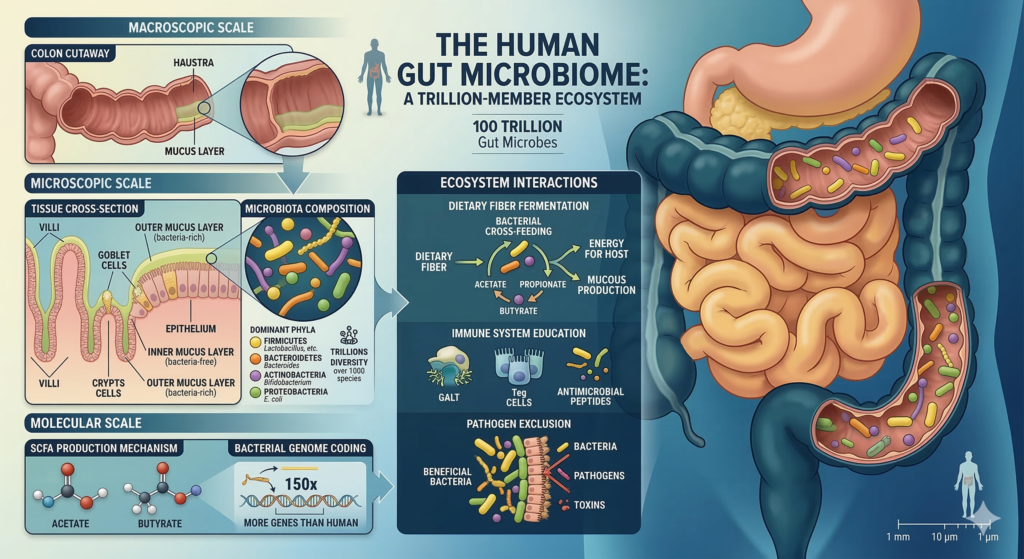
The digestive system is home to trillions of microorganisms that form what researchers call the gut microbiome. These microbes influence digestion, metabolism, immune function, and even mental well-being.
When this internal ecosystem is balanced, the body tends to function smoothly. But when the gut microbiome becomes disrupted, a wide range of symptoms can appear – from bloating and digestive discomfort to fatigue and weight gain.
The good news is that gut health can often be improved through lifestyle habits, nutrition, and targeted support.
In this guide, we’ll explore how gut health works, what causes imbalances, and the most effective natural strategies to restore digestive balance.
Gut health refers to the balance and function of microorganisms living in the digestive tract.
The human gut contains trillions of bacteria, including beneficial strains that help regulate important processes in the body.
What Is Gut Health?
These microbes help with:
- breaking down food
- absorbing nutrients
- supporting immune function
- regulating metabolism
- producing certain vitamins
Scientists often describe the microbiome as a complex ecosystem. Just like in nature, balance is essential.
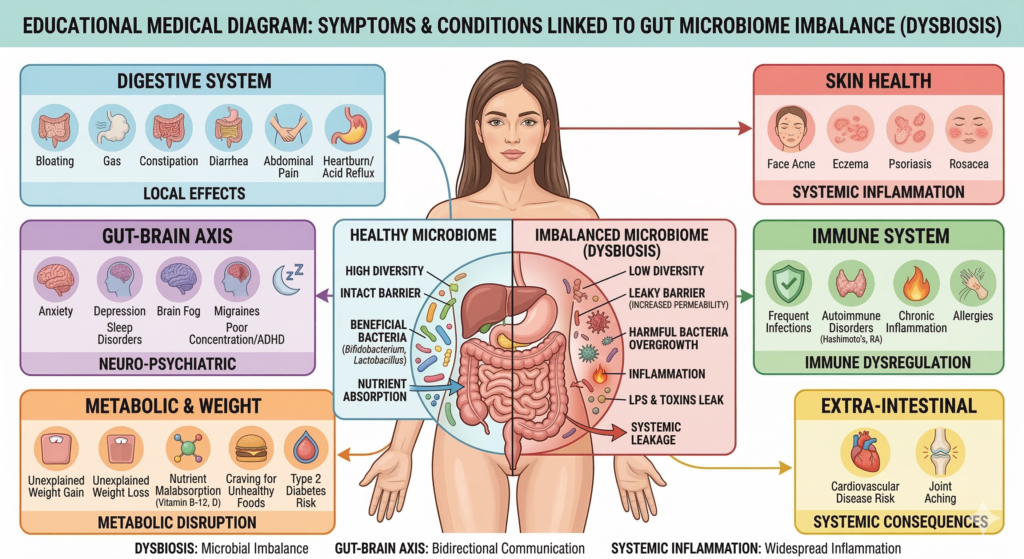
When beneficial bacteria dominate, the digestive system functions efficiently. But when harmful bacteria grow out of control, the microbiome becomes disrupted — a condition sometimes called gut dysbiosis.
This imbalance is increasingly linked to issues such as digestive discomfort, inflammation, and metabolic changes.
Signs Your Gut Health May Be Out of Balance
Gut imbalances do not always produce obvious symptoms at first. However, there are several common signals that your digestive system may need attention.
Frequent bloating after meals is one of the most common signs. When the microbiome is unbalanced, certain foods can ferment improperly in the gut, producing excess gas.
Digestive irregularities are another indicator. Constipation, diarrhea, or unpredictable digestion can often point to microbial imbalance.
Other possible symptoms include:
- persistent fatigue
- brain fog or difficulty concentrating
- unexplained weight fluctuations
- food sensitivities
- frequent sugar cravings
While these symptoms can have multiple causes, they are frequently associated with disturbances in the gut microbiome.
Understanding these signs is often the first step toward restoring digestive balance.
What Causes Gut Microbiome Imbalance?
Several aspects of modern life can disrupt the balance of gut bacteria.
One of the most common causes is diet. Highly processed foods, excess sugar, and low fiber intake can reduce beneficial bacterial populations.
Antibiotics are another major factor. While these medications are essential in many situations, they can also eliminate helpful bacteria alongside harmful ones.
Chronic stress also affects the digestive system. The gut and brain are connected through the gut-brain axis, meaning prolonged stress can influence microbial balance.
Other factors that may affect gut health include:
- poor sleep patterns
- alcohol overconsumption
- lack of dietary diversity
- environmental toxins
Over time, these factors can gradually shift the balance of microbes in the digestive system.
Fortunately, many natural strategies can help restore equilibrium.
How to Restore Gut Health Naturally
Improving gut health typically requires a combination of lifestyle and nutritional changes. The goal is to create an environment where beneficial bacteria can thrive.
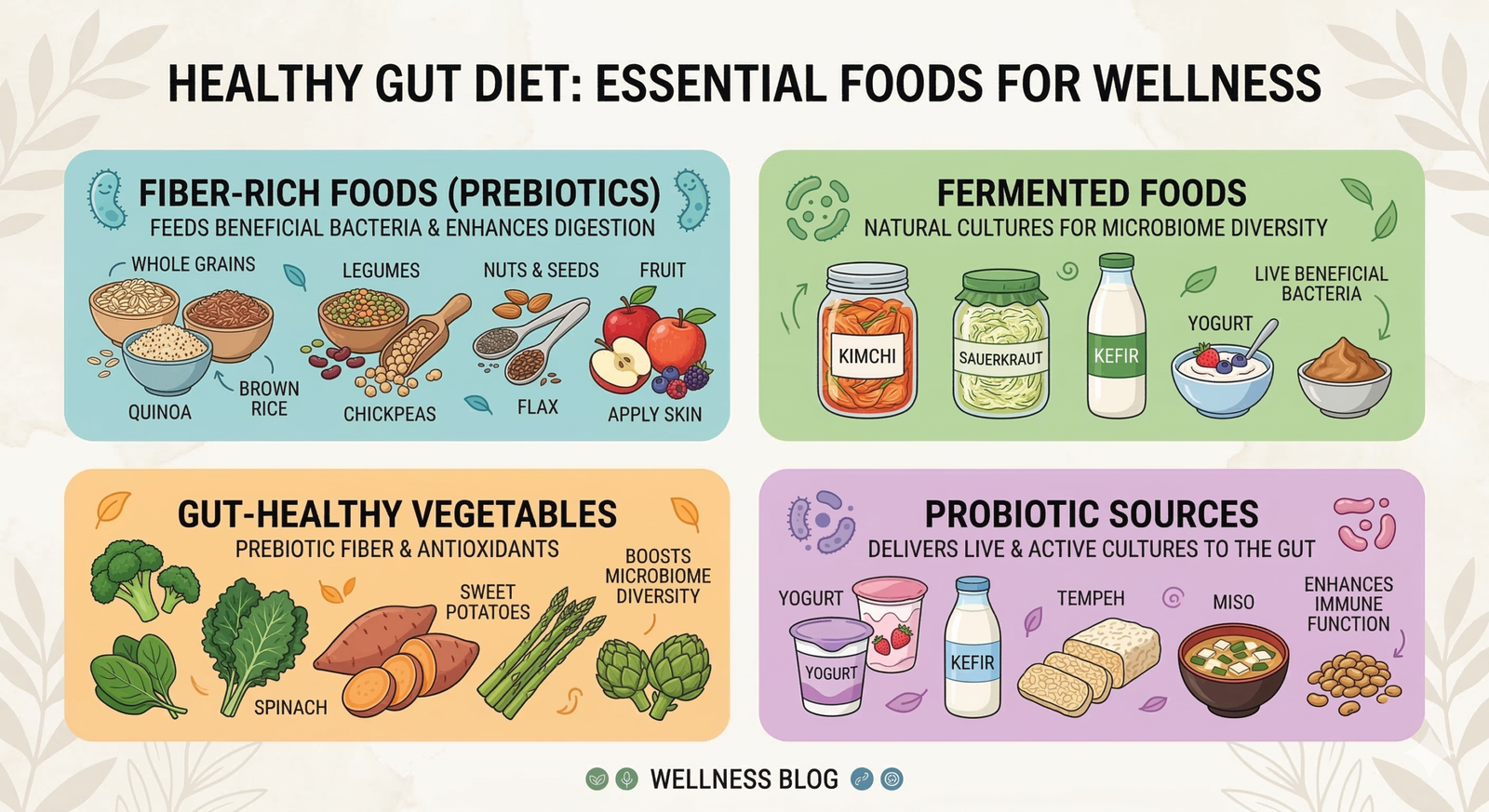
One of the most effective steps is increasing dietary fiber intake. Fiber acts as a fuel source for helpful microbes, supporting microbial diversity.
Another important strategy is consuming fermented foods. Items such as yogurt, kefir, kimchi, and sauerkraut contain naturally occurring probiotic bacteria that may support digestive balance.
Reducing excessive sugar and ultra-processed foods can also make a significant difference. Harmful bacteria often thrive on these types of nutrients.
Stress management plays an important role as well. Practices such as regular exercise, meditation, and quality sleep support the gut-brain connection and help regulate digestive processes.
These habits together create the conditions necessary for the microbiome to gradually rebalance.
Best Foods for Supporting Gut Health
Certain foods are particularly helpful in maintaining a balanced microbiome.
Prebiotic foods feed beneficial bacteria and promote microbial diversity. These include:
- garlic
- onions
- asparagus
- bananas
- oats
Fermented foods introduce live microorganisms that may support digestive balance.
Examples include:
- yogurt with live cultures
- kefir
- kombucha
- kimchi
- sauerkraut
Polyphenol-rich foods such as berries, green tea, and dark chocolate can also support the microbiome by promoting beneficial bacterial growth.
A varied diet rich in plant-based foods tends to support a healthier gut ecosystem overa
Supplements That May Support Gut Health
While diet and lifestyle remain the foundation of gut health, some individuals choose to support their digestive system with supplements.
Probiotic supplements provide specific strains of beneficial bacteria that may help restore microbial balance. Different formulations contain different strains, each with unique roles in digestion and metabolic support.
Some probiotic blends are designed to support weight management by helping regulate how the body processes nutrients and stores fat.
For example, certain microbiome-focused formulas combine multiple bacterial strains with plant-based ingredients to help promote a healthier digestive environment.
Products such as LeanBiome are formulated around this idea, aiming to support gut balance while also addressing metabolic factors linked to weight regulation.
Digestive support supplements that include enzymes, fiber, and plant extracts are another category sometimes used to support gut health.
As with any supplement, individuals should consider their personal health situation and consult a qualified healthcare professional when appropriate.
How Long Does It Take to Restore Gut Health?
Improving gut health is rarely an overnight process.
The microbiome is highly adaptable, but meaningful changes typically take time. Some people may notice improvements in digestion within a few weeks after adjusting diet and lifestyle habits.
However, deeper microbiome shifts may take several months as beneficial bacteria gradually reestablish balance.
Consistency is the most important factor. Sustainable habits – such as eating diverse plant foods, managing stress, and supporting digestion – create the environment needed for long-term gut health.
Final Thoughts
The gut microbiome plays a central role in many aspects of human health, influencing digestion, metabolism, and overall well-being.
Modern lifestyles can sometimes disrupt this delicate ecosystem, leading to symptoms such as bloating, fatigue, and digestive discomfort.
Fortunately, restoring gut health is often possible through a combination of mindful nutrition, lifestyle adjustments, and targeted support when necessary.
By focusing on balanced habits and supporting beneficial bacteria, many people can gradually rebuild a healthier digestive environment and improve overall wellness.